





-
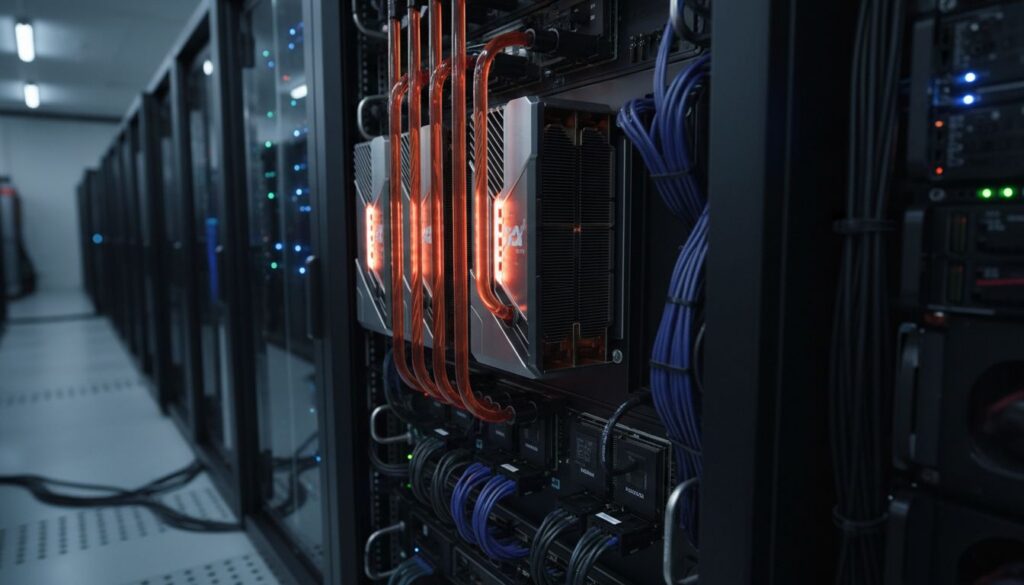
How hyperscalers are betting on warmer coolant and denser memory to tame scale
Hyperscalers are no longer treating cooling as a background facilities problem. In AI infrastructure, thermal design now directly determines how much compute can be deployed, how stable it will run under sustained load, and how quickly operators can expand capacity. Recent hyperscaler disclosures and industry reporting point to the same conclusion: warmer liquid loops and…
-
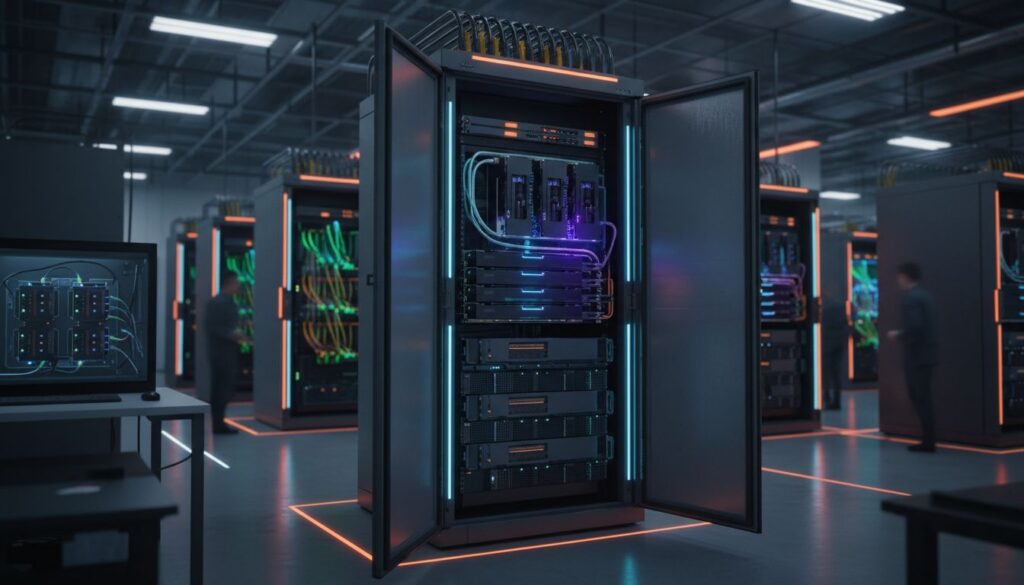
How bigger memory and faster interconnects are cutting model training costs
Training costs are no longer driven only by raw FLOPS. In practice, the expensive part of large-model training is often the time GPUs spend waiting: waiting on parameter shards, waiting on activations, waiting on gradient exchanges, and waiting on congested links between accelerators. That is why bigger memory pools and faster interconnects are becoming direct…
-
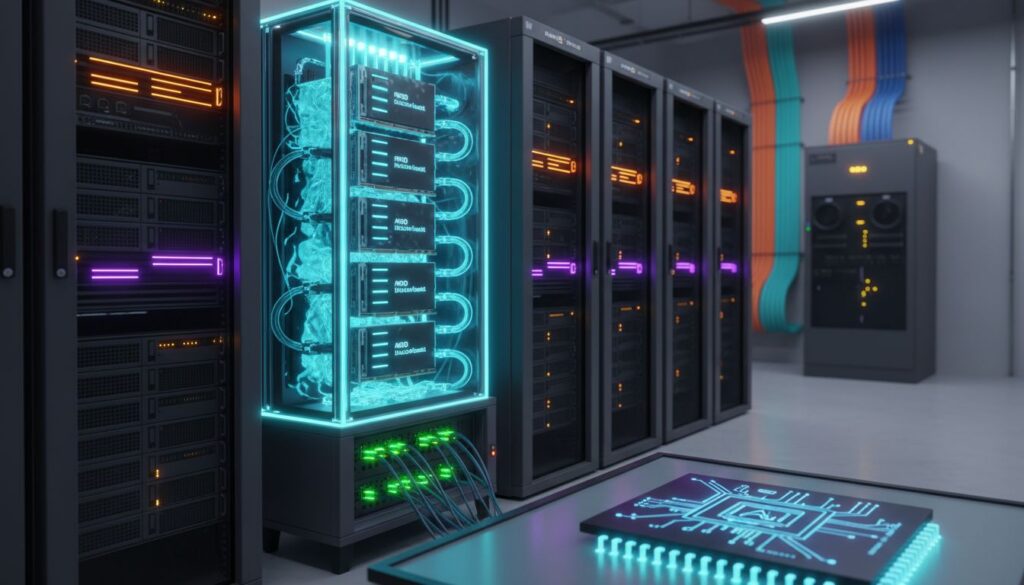
Why immersion and two-phase thermal management are quietly reshaping high-density compute
High-density compute is changing the thermal assumptions that shaped server rooms for decades. As AI training clusters, inference farms, and accelerated HPC deployments push more power into fewer racks, air cooling is increasingly becoming a limiting factor rather than a neutral utility. The shift is not just about keeping chips from throttling. It is about…
-
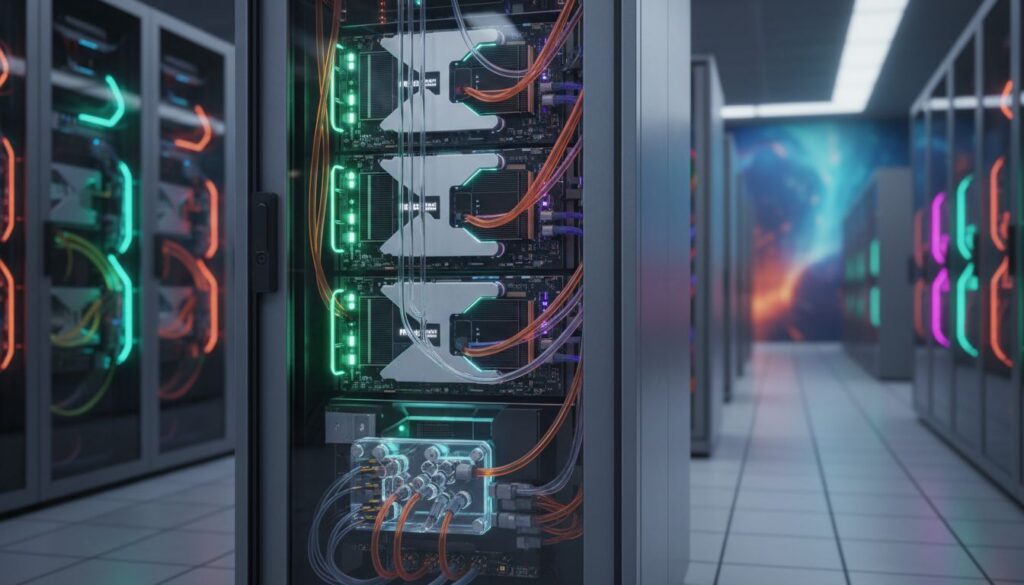
How hot-water loops and specialized silicon are reshaping enterprise compute strategy
Enterprise compute strategy is being rewritten by thermals. For years, infrastructure teams could choose servers, raise rack density, and then solve cooling at the room level. That model is breaking down under AI and HPC-class workloads, where power density, hot spots, and facility constraints increasingly determine what hardware can be deployed, how fast it can…
-

Why workload-aware schedulers are bringing inference back inside the enterprise
Enterprise inference is no longer automatically ing to public cloud endpoints. As AI adoption matures, infrastructure teams are re-evaluating where models should run based on latency, governance, data locality, and cost. A major reason is that inference has become operationally complex: it is bursty, accelerator-hungry, and increasingly tied to sensitive internal data flows. In that…
-

How chronic underuse of costly compute is forcing teams to rethink where and how they run workloads
Costly compute is no longer judged only by how fast it can run a model or finish a batch job. It is increasingly judged by how often it sits idle, how hard it is to schedule efficiently, and whether its operating model still makes financial sense once real production behavior shows up. For infrastructure and…
-

Inside the new arms race for denser, greener compute infrastructure
The race to scale AI infrastructure is no longer defined only by who can buy the most accelerators. It is increasingly determined by who can deliver clean power, remove heat efficiently, and stand up dense compute environments without creating new operational and sustainability risks. Gartner projects data center electricity demand will grow 26% in 2026,…
-
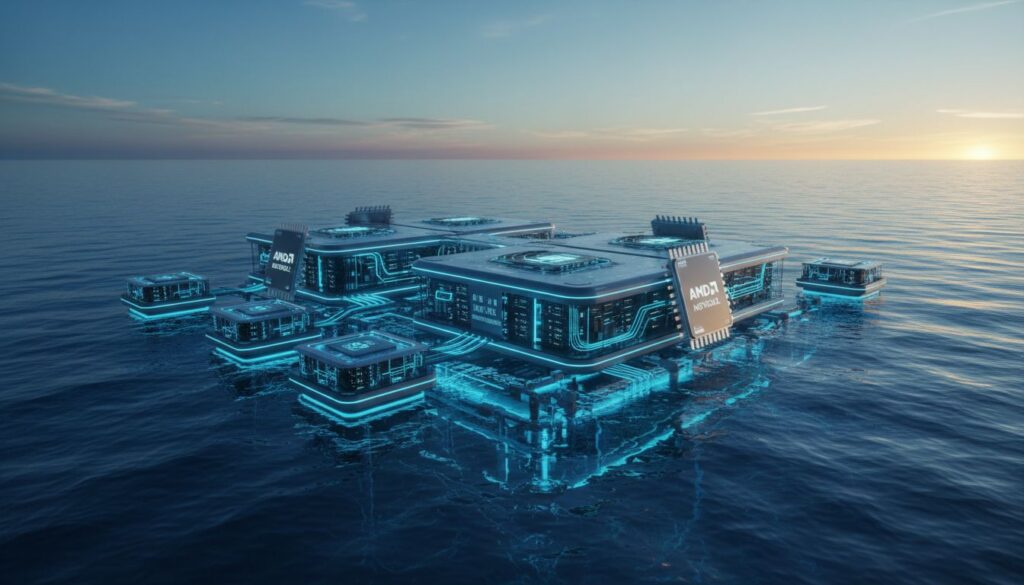
Sea-based compute hubs and modular pods are reshaping where large-scale model training happens
Large-scale model training is no longer assumed to belong only inside massive inland campuses with long construction timelines and fixed utility footprints. In 2025 and 2026, vendors and operators increasingly pushed a different idea into the mainstream: move compute into modular, factory-built units, and in some cases place those units directly on the water. For…
-

What memory fabrics and thermal design innovations mean for high-density compute halls
High-density compute halls are no longer shaped only by CPU counts, rack U-space, or nameplate power. They are increasingly defined by two converging engineering constraints: where memory lives and how heat leaves. For operators building AI clusters, dense virtualization farms, or HPC environments, memory fabrics and thermal design are now coupled decisions that affect utilization,…
-
Closed-loop thermal systems slash municipal water use at hyperscale compute halls
Hyperscale AI compute halls are colliding with two hard limits at once: rack power density and municipal water availability. For operators planning multi-megawatt GPU clusters, traditional evaporative cooling designs now create both an infrastructure risk and a public-policy problem. Closed-loop thermal systems are emerging as a practical answer because they reduce or remove routine evaporation,…

Latest News

About the Author

AF themes
Easy WordPress Websites Builder: Versatile Demos for Blogs, News, eCommerce and More – One-Click Import, No Coding! 1000+ Ready-made Templates for Stunning Newspaper, Magazine, Blog, and Publishing Websites.

You May Have Missed